
Traditional brioche from Vendée
Vendée brioche is an iconic specialty of the Vendée region: soft, fragrant, and braided, it delights with its airy crumb and rich flavor. Dating back to the 19th century, it embodies the region’s rich baking heritage. Very popular, it is a staple of regional breakfasts. In this article, you will discover its origins, its typical ingredients, the secrets of making it at home, and the best ways to enjoy it. You can even savor it during a stay at our campsite near Puy du Fou.
Origins and history of the Vendée brioche
From the ‘peasant cake’ to braided brioche
Before becoming one of the emblematic specialties of Vendée, brioche Vendéenne finds its roots in a more rustic preparation: the gâche. This more compact brioche, with a tight crumb, was traditionally made in Vendée households to celebrate Easter or family events. It was characterized by a slightly sweet paste and simple shaping, passed down from generation to generation.
From the 19th century, the bakers of Vendée enriched this base with more butter and eggs, sometimes even with cream. These additions give a softer, more airy and more fragrant paste. The shape also evolves: the brioche is then adorned with a braiding, a visual signature that will become inseparable from the Vendée tradition. This evolution marks the transition from a domestic preparation to a recognized pastry specialty.
Recognition and labelling: PGI/ Label Rouge
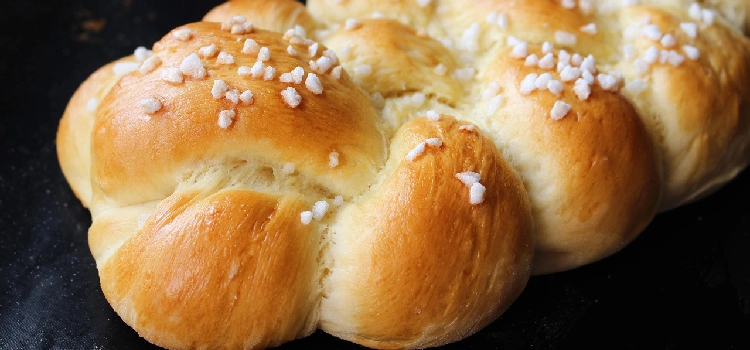
The current Vendée brioche meets precise specifications, guaranteeing its authenticity. Its manufacture is based on the use of noble ingredients: butter, fresh eggs, sugar, yeast, natural flavors such as vanilla or orange blossom, sometimes combined with a light alcohol flavor like rum or brandy. It can be braided or shaped into a regular shape, with a golden and shiny crust.
This quality requirement led to the establishment of official labels. From 1949, a specific label “Brioche vendéenne” distinguishes it from other French brioches, especially the Parisian brioche. Even today, protection measures such as the PGI or the Label Rouge help to preserve regional know-how and guarantee consumers a speciality faithful to their heritage.
Culinary characteristics: dough, taste, texture
The Vendée brioche is distinguished by a list of simple but precisely dosed ingredients. There are traditionally T45 flour, quality butter, eggs, sugar and yeast. Depending on the recipes, one can add milk or cream to accentuate its softness. Aromas play a key role: orange blossom, vanilla or a touch of alcohol perfect its characteristic scent.
The texture is undoubtedly the most recognizable signature of this brioche: a soft, airy and stringy crumb, obtained thanks to a slow fermentation and a meticulous work of the dough. On the palate, the result is melting, with soft and slightly vanilla or floral notes. The presentation is equally important: a successful Vendée brioche is well-golden, shiny and often hand-woven.
Simplified homemade recipe
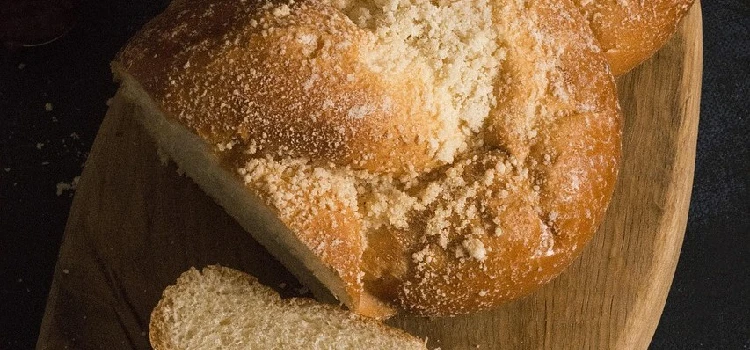
To prepare a homemade brioche vendéenne, it only needs some essential ingredients: flour, butter, eggs, sugar, yeast, milk or cream and a natural flavor. After a sufficiently long kneading, the butter is gradually incorporated to soften the dough. Then come the stages of resting and lifting, essential to obtain a light crumb.
Braided shaping requires a bit of practice but is part of the charm of this specialty. Once formed, the brioche rests again before being placed in the oven. For an optimal result, it is advisable to let the dough rise in the refrigerator overnight: this refines the aromas and guarantees an even more airy texture.
How to taste or use the Vendée brioche
Particularly appreciated at breakfast or as a snack, the brioche vendéenne is enjoyed plain, slightly toasted or accompanied by a hot drink. It can also be integrated into anti-waste recipes: French toast, pudding or creative desserts allowing to use the slices a little stale. These variations extend the pleasure without altering the original flavor.
Why the Vendée brioche remains a regional culinary heritage
More than a sweetness, the Vendée brioche is a cultural symbol. It has long accompanied religious and family festivals in Vendée. Its official labelling guarantees locally transmitted know-how, and its popularity makes it an essential product in bakeries and during tourist stays. Taking a brioche from Vendée is taking away a bit of the Vendée terroir.